R&V powered by Unify Energy
A conversation about clarity, support, and managing energy as your business grows
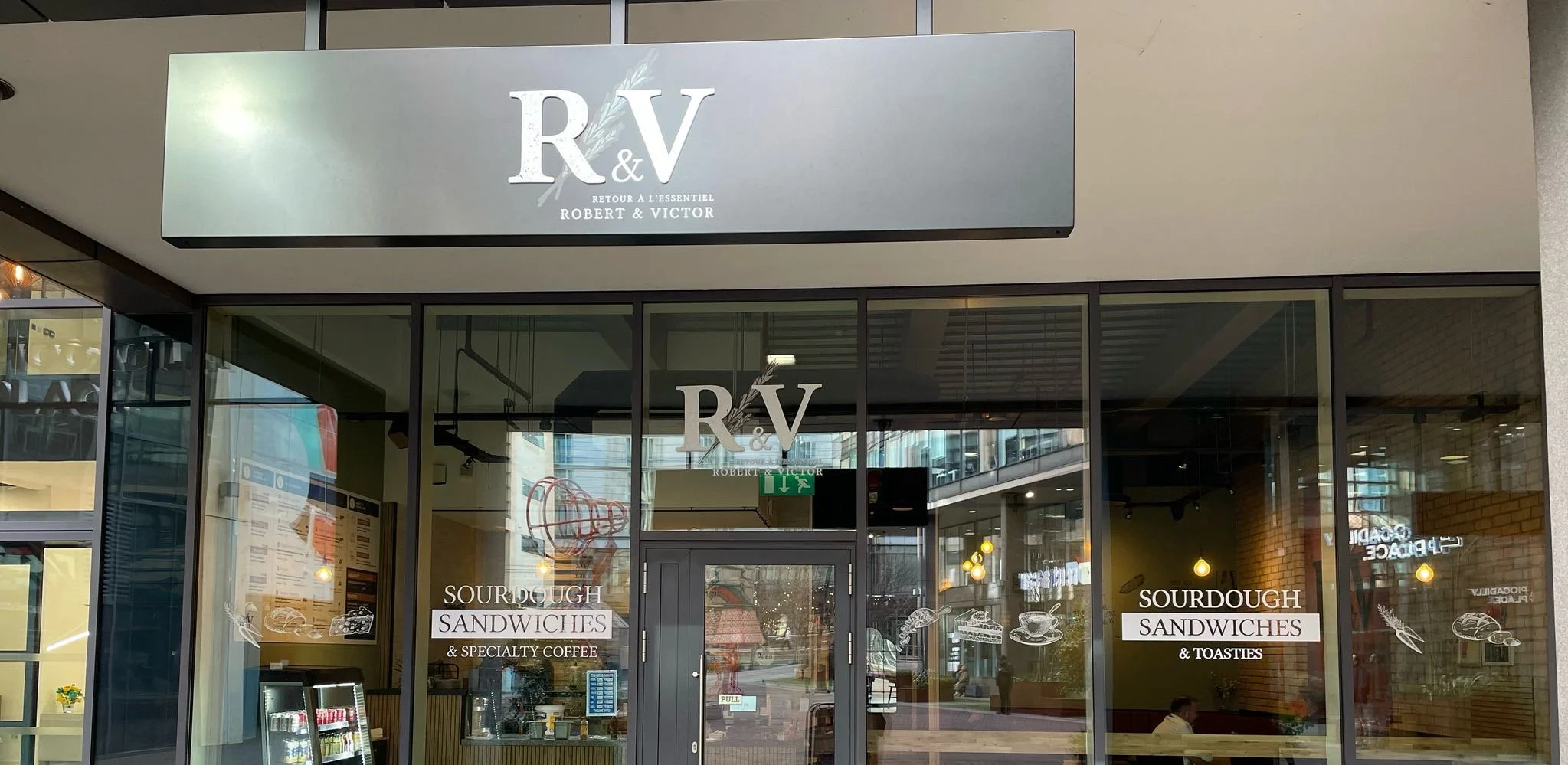
Robert & Victor Catering is a Manchester-based hospitality and events business, operating multiple food-led concepts across the city. As with many businesses in the sector, R&V’s focus is on delivery, service, and growth - with energy sitting firmly in the background as a necessary but complex operational requirement.
Unify Energy began working with R&V while the business was operating from a single site, supporting contract management and providing day-to-day account support. As R&V expanded, our partnership continued to grow alongside their business.

Simon Dasnoy, Owner, R&V Catering
How were you managing energy before working with Unify Energy?
Simon Dasnoy, Owner, R&V Catering:
“When I started the business, I didn’t really have the knowledge to manage energy properly. Like most people in hospitality, it’s not something you specialise in.”
“I had signed a long contract early on, and at the time I didn’t really understand what flexibility I had or what options were available to me.”
Over time, particularly during COVID, it became clear that having better advice and clearer information would make a difference to how confidently energy decisions could be made.
What led you to start working with Unify Energy?
“I was introduced to Unify Energy through Bruntwood and started speaking with Charlotte. From the beginning, the conversations were very straightforward and helpful.”
“It wasn’t about being pushed into anything. Things were explained clearly, and that made it easier to understand where we stood and what could realistically be done.”
Charlotte became R&V’s dedicated point of contact, helping coordinate queries and ensuring continuity as the relationship developed.
How did that relationship support the business over time?
“One thing that stood out was that when market conditions changed, UE didn’t just wait for a renewal. We talked through whether changes made sense, and decisions were made based on the numbers, not just the contract dates.”
“It felt fair and transparent, which isn’t always the case in this sector.”
When you opened a second site, what energy-related challenges came up?
“When the second site opened, the energy setup turned higher than expected.”
Since they already had a clear billing setup with UE, R&V were aware of how much their business should expect to be charged. The new supply at the second location was configured as a 150 kVA Half-Hourly supply (Band 2), resulting in high daily standing and capacity charges. Based on R&V’s expected usage of around 35,000 kWh per year, Simon questioned whether this capacity level was proportionate.
“At that point, I knew something didn’t quite add up, but I didn’t have the technical knowledge to understand what the issue actually was.”
How was that issue approached?
“UE helped explain how capacity, banding, and standing charges actually work, and how this supply compares to our other site.”
For context, R&V’s existing shop was operating on a whole current (NHH) supply with an estimated annual consumption of around 38,000 kWh, typically aligned with Band 4. This comparison helped frame the conversation around whether the new site’s configuration was appropriate.
We worked with Simon to explore the options presented by Electricity North West (ENWL), including:
Reducing the agreed kVA while retaining the CT supply
Considering a downgrade to the whole current NHH supply if appropriate
“What helped was having someone translate the technical details and talk through the pros and cons. Without that, I wouldn’t have known what questions to ask.”
There were also metering changes involved. How did you find that process?
“Metering was probably the most complex part. There were a lot of parties involved, and it wasn’t always clear why things were taking time.”
During this period, UE supported coordination with IMServ and ENWL, helping validate information and escalate where needed. While the metering changes were being resolved, billing was paused to avoid confusion or inaccurate charges.
“That made a difference. It meant we weren’t billed for charges that weren’t right for our business size, while everything was still being sorted.”
How do you find the billing setup now?
“Billing is very clear now. It couldn’t really be clearer.”
Following feedback from R&V, we restructured the account so each site received its own invoice, supporting clearer cost allocation and profit-and-loss tracking.
“We wanted separate P&Ls for each site, and once I explained that to Charlotte, it was set up very quickly.”
How would you describe the working relationship overall?
“For me, the key thing is that you’re dealing with people who know the business and follow things through.”
“Charlotte understands our setup, and when something becomes technical or unclear, there’s always someone who can step in and explain it properly.”
Looking ahead
As R&V continues to operate across multiple sites, the focus remains on keeping energy straightforward, predictable, and aligned with how the business actually runs.
“It feels like working with a partner rather than just a supplier. There’s clarity, consistency, and good communication - and that makes a big difference.”